
Tequila is tequila is tequila…right? Not exactly. From crisp blanco tequila to rich añejo, each type of tequila has its own flavor, aging process, and best use. Whether you’re making margaritas, sipping tequila neat, or trying to figure out the difference between reposado vs añejo, this guide breaks down the main types of tequila, what they taste like, and how to choose the best tequila for your drink.
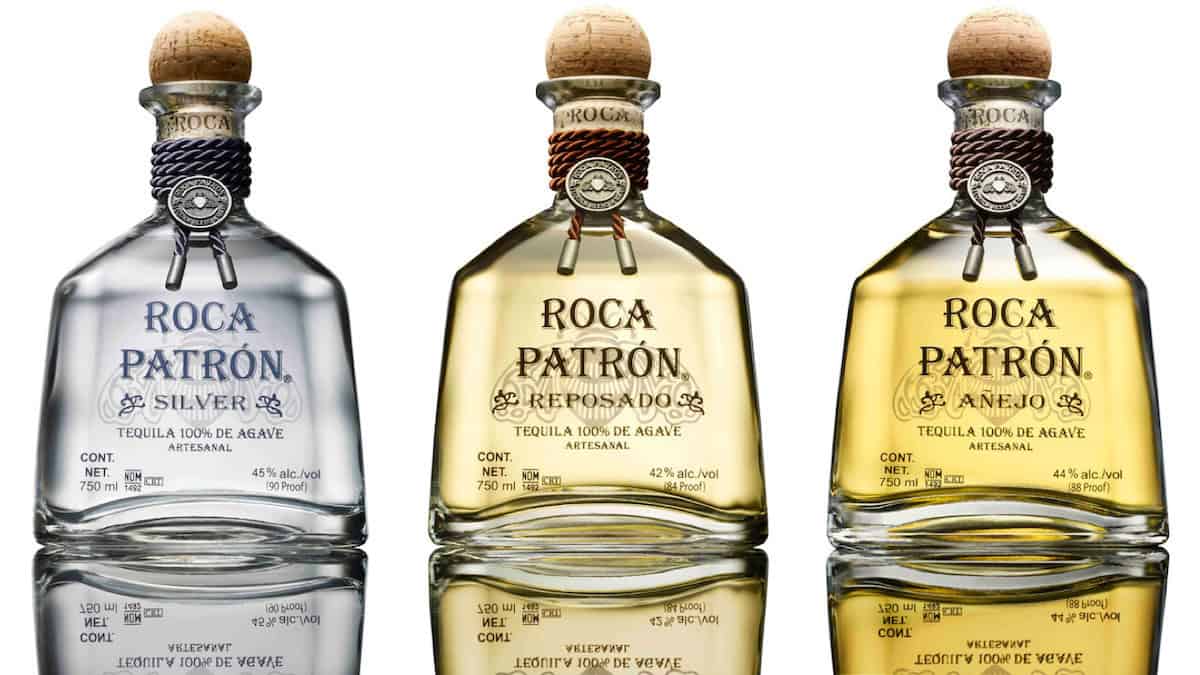
The best type of tequila depends on how you plan to use it. Blanco tequila is best for margaritas and cocktails, reposado offers a smoother balance for sipping or mixing, and añejo tequila is ideal for sipping neat like a whiskey.
While we got into some of the different types in briefly in my Tequila Sour recipe, diving in a bit more is worth it.
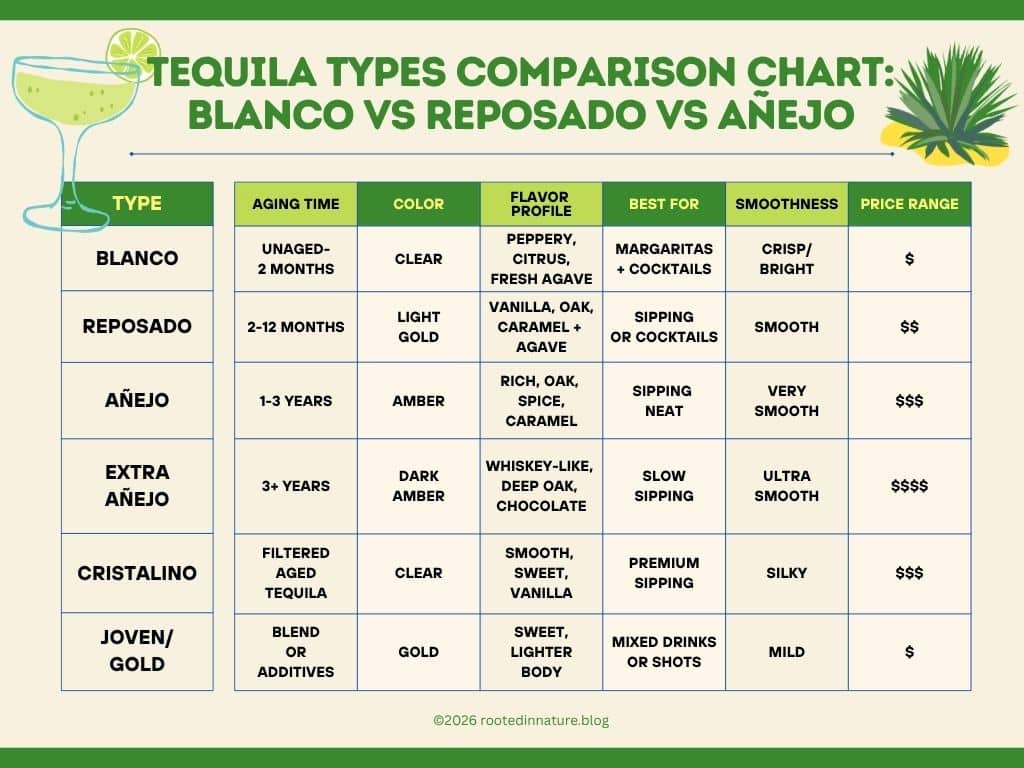
Tequila Types Comparison Chart
This tequila comparison chart breaks down blanco, reposado, añejo, extra añejo, and cristalino tequila by aging, flavor, smoothness, and best use.
| Type | Aging Time | Color | Flavor Profile | Best For | Smoothness | Price Range |
| Blanco | Unaged-2 mos | clear | peppery, citrus, fresh agave | margaritas + cocktails | crisp, bright | $ |
| Reposado | 2-12 months | light gold | vanilla, oak, caramel + agave | sipping or cocktails | smooth | $$ |
| Añejo | 1-3 years | amber | rich oak, spice, caramel | sipping neat | very smooth | $$$ |
| Extra Añejo | 3+ years | dark amber | dark amber | slow sipping | ultra smooth | $$$$ |
| Cristalino | Filtered aged tequila | clear | clear | premium sipping | silky | $$$ |
| Joven/Gold | Blend or additives | gold | gold | mixed drinks/shots | mild | $ |
Where tequila comes from
All tequila starts from the blue agave plant. Here's what they look like when they grow:
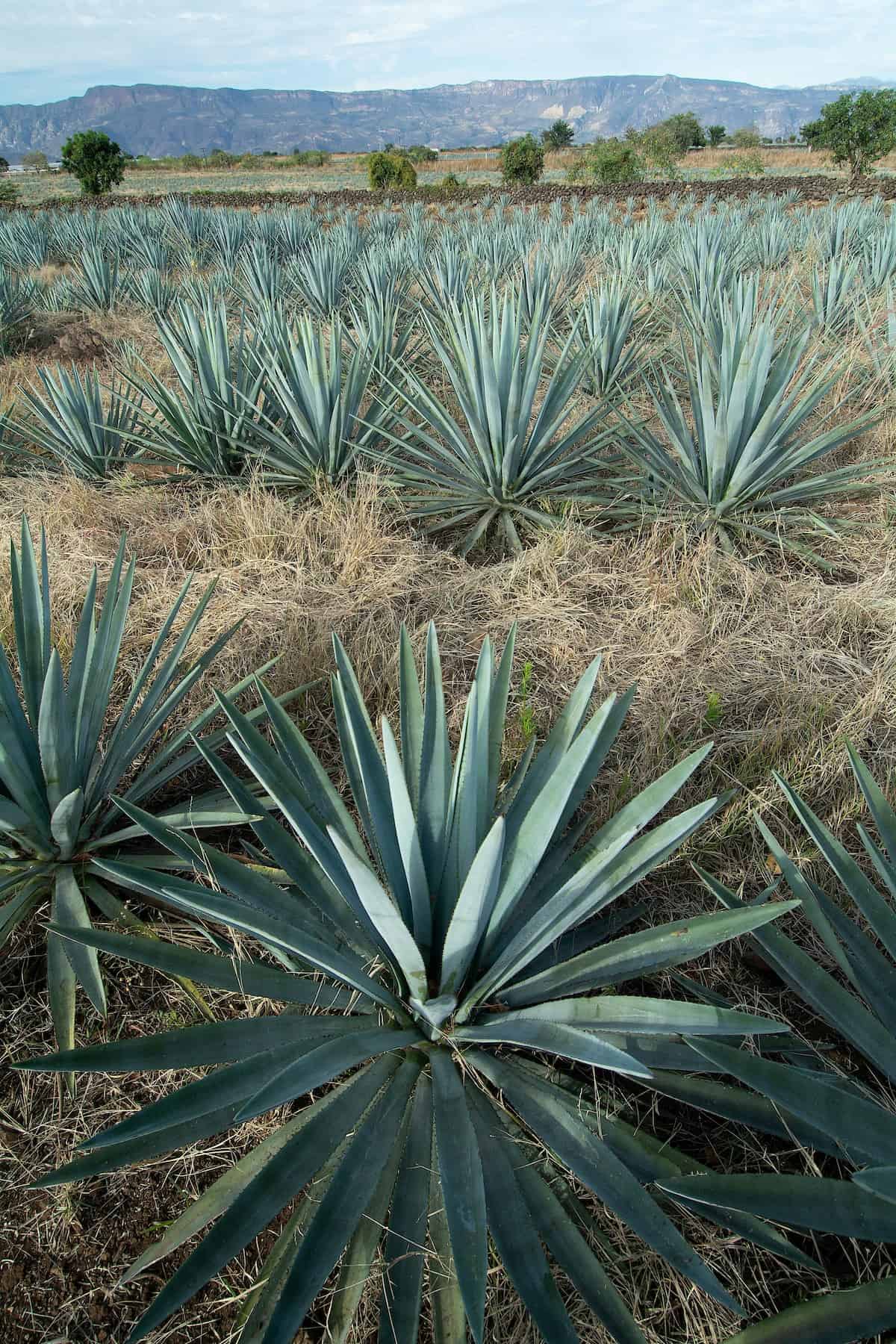
A whopping 90% of the world’s supply is produced in the state of Jalisco, Mexico - home to the spirit’s namesake city...Tequila! Farmers who harvest agave plants are called jimadores. It's slow-going, as the plants take about seven years to mature.
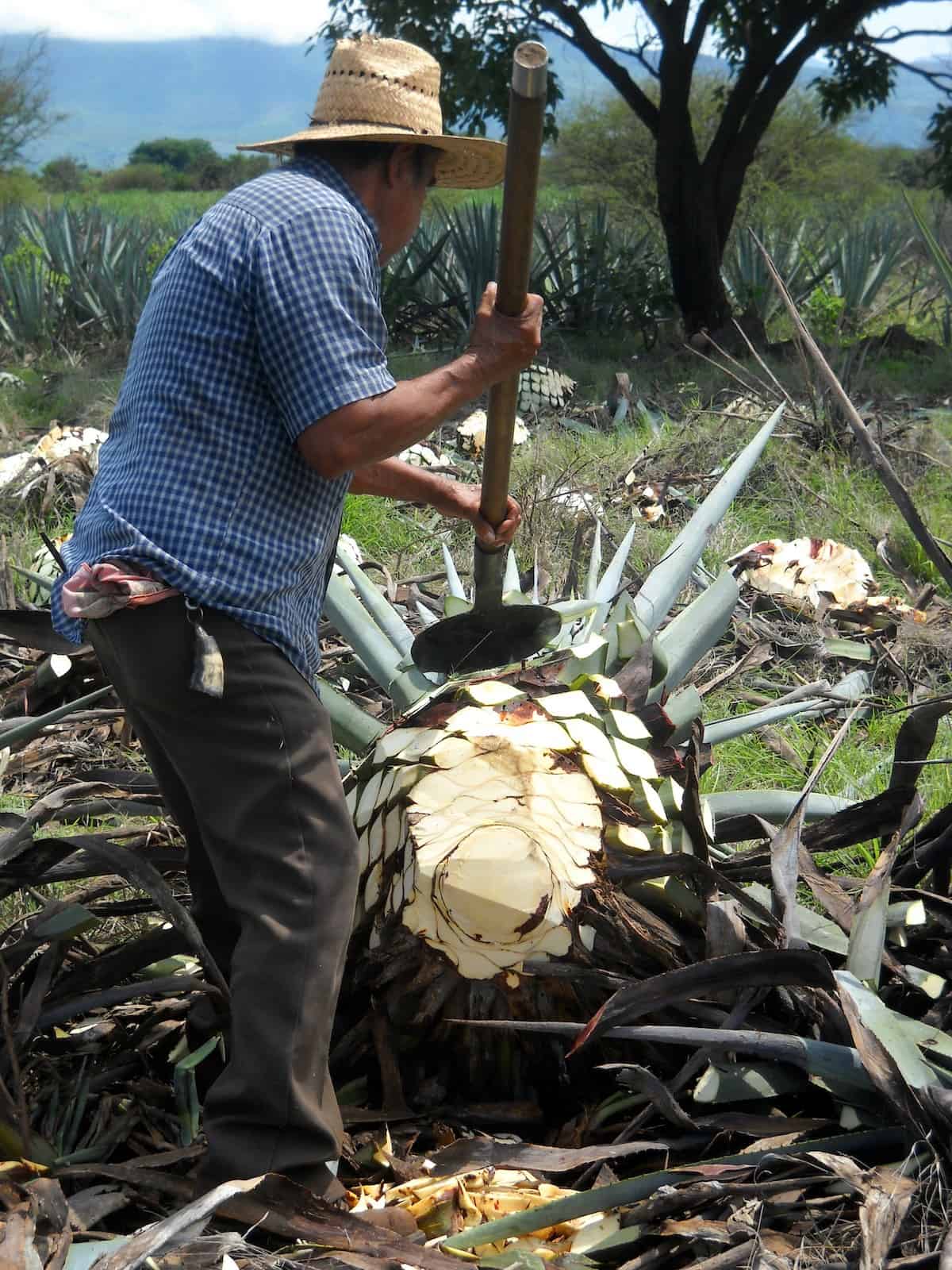
Once they've matured, the jimadores remove the leaves. (If you think this is easy, think again. Watch this video of a jimadore digging up and pruning a single plant, and you'll understand why good tequila costs more.)
After the spiky leaves are removed, the hearts, called piñas, are cut into pieces and steamed in above-ground ovens to transform the agave starches into simple sugars.
Next, the pieces are crushed to extract juice from the piñas. This juice is left to ferment in large vats with water and yeast, then distilled at least twice, typically in copper alembic pots, to yield- you guessed it - tequila!
After this stage, the liquid is either bottled for distillation (blanco) or barrel-aged to produce reposado, añejo, or extra añejo versions. This aging process is what determines both the type and flavor of the tequila.
Separate from the agave percentage, most tequila types are determined by how long they're aged. There are three main types of tequila - blanco, reposado, and añejo. Here's a crash course on what they each mean and how they taste.
Blanco
(0-2 months)
Blanco tequila is the youngest version - often bottled right after distillation. Used in drinks like margaritas and palomas, the flavors are lighter in nature - think agave, citrus, and grass notes.
It can be aged in stainless steel tanks for as long as two months. However, most brands bottle their blanco tequila immediately after distillation. (Because why wait two months when you can sell it right away?)
Because of this, what you end up tasting is very agave-forward. The clear tequila is sharp and peppery with a distinct bite. The punchy flavor can be a bit overwhelming for those new to tequila, but it shines well in citrusy cocktails. In most cases, margaritas and palomas are built with blanco tequila as the base. Blanco is the purest form of tequila you can buy.
Reposado
(2 months - 1 year)
Reposado tequila is aged between two months and one year in either oak barrels or stainless-steel vats. Reposado translates to "rested" and usually has deeper notes of vanilla and caramel.
Most commonly, reposado tequila is aged in oak barrels previously used to age American whiskey. This, in combination with the time, leaves a smooth, almost caramel-like flavor and a delicate golden hue. It's one of the most versatile types of tequila—it's complex and enjoyable on its own while still being mild enough to include in cocktails.
Añejo
(1 - 3 years)
Añejo tequila is a longer aged tequila. This gold tequila typically spends between one to three years in oak barrels and emerges with a caramel coloring. It often has a smoother mouth feel and a richer flavor, with a flavor profile of dried fruits and warm baking spices. It's complex flavor has also been described as having notes of toasted almonds, butterscotch, and honey.
Añejo in Spanish translates to "old," which is an apt description of this tequila type. To be classified as an añejo, tequila must be aged for a minimum of one year, but can sit in an oak barrel for up to three years.
Unlike reposado, which doesn't have a size requirement for the barrel, the barrel size for an añejo cannot exceed 600 liters. This allows more of the spirit to interact with the wood and develop a deeper, richer flavor. Its nuanced taste makes it ideal for sipping, just like you would for a high quality, long-aged whiskey.
Extra añejo
Even if you don't speak Spanish or are unfamiliar with tequila terms, the definition of extra añejo tequila is fairly simple: it's just like añejo tequila but older. Extra añejos are aged for at least three years in oak barrels that can fit a maximum of 600 liters. The notes are similarly warm and complex to añejo tequila, only they're more pronounced.
The color depends on the distillery, but most bottles of extra añejo are tinted a dark, almost mahogany shade. Due to all the time and labor required to make extra añejos, they're considered to be some of the most premium tequila on the market.
This is not your average tequila, and it definitely doesn't belong in a margarita. If you're willing to splurge on a bottle, its unique flavor would make this one a special-occasion sipper, and is geared more toward tequila enthusiasts.
Cristalino
You've likely seen all of the other types of tequila at your local liquor store, but cristalino is a newer variety you may not have seen before. It first entered the market in 2011 and isn't actually legally recognized by the Tequila Regulatory Council. These cristalino tequilas are aged tequilas that are filtered through charcoal to remove the colors and some of the oaky flavors from the distillation process in the wood barrels. Don Julio launched the first one.
What you're left with is a clear spirit with the crispness of a blanco and the nuance and smooth taste of an aged tequila. It's the newest frontier in the tequila industry and brands are increasingly adding a cristalino to their portfolio—but its trajectory is still to be determined.
How strong is tequila
Tequilas usually have 38 to 40 percent alcohol content, which is 76 to 80 proof.
In comparison to other common liquors, this is about average. Rum is typically 40%. Bourbon ranges from no less than 80 US proof (40% abv). Although most bourbon whiskey is sold at 80 US proof, other common proofs are 86, 90, and 100. Vodka In the United States, it must be at least 80 proof, having an alcohol content of 40%.
How long is tequila aged
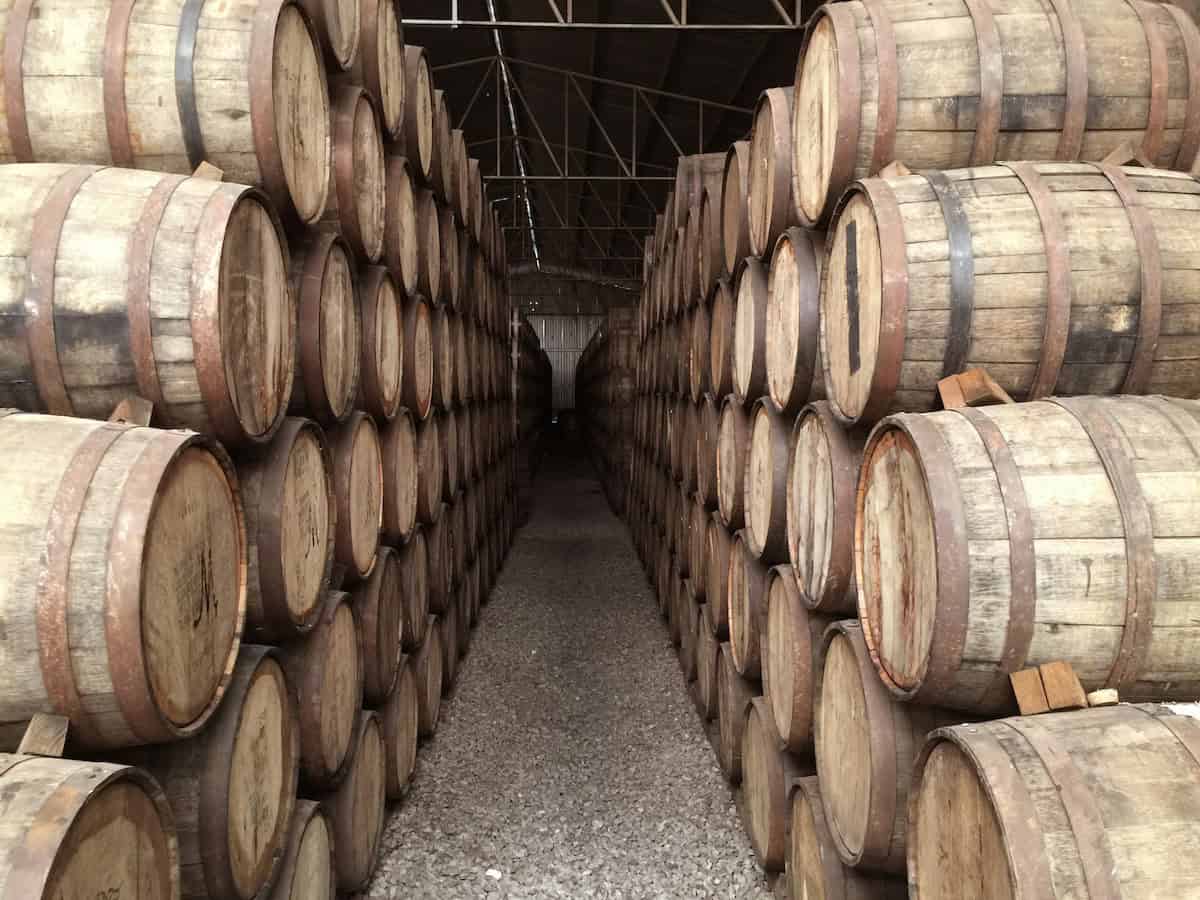
Blanco or silver tequila is a young tequila and is not aged, while reposado tequila is aged for a minimum of two months and up to 364 days. After 365 days, the tequila becomes añejo, and then after three years, it becomes extra añejo.
How to taste tequila
The spirit itself is made from the agave plant. By law, tequila must be made with a minimum of 51 percent Weber blue agave. Many top-shelf bottles contain 100 percent blue agave and disclose it on their label.
Other brands produce tequila mixto, which contains at least 51 percent agave but is then supplemented with other sources of sugars (typically cane sugar, corn syrup, or molasses).
Mixto tequila is often maligned by purists—but that doesn't mean it should be overlooked. It's great to use when you're making a cocktail, looking for a smoother, more mild tequila, or just want to drink on a budget.
So which is the best tequila? That's honestly hard to say, as a lot of it depends on personal preference and taste buds. Just remember that the darker the tequila, the longer it has been aged, and the deeper the flavor profile it will have.
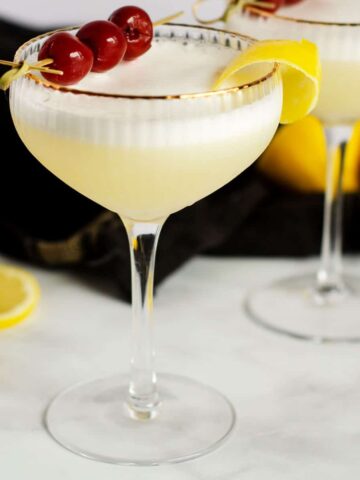
If you're not ready to drink straight tequila, start by trying a couple of popular cocktails. I have great recipes for both a Classic Margarita and a Tequila Sour to help you get started!


David says
A great explanation of Tequila is all about. Thanks for the education!
Jessica says
you're welcome!